About Bali Electric Car
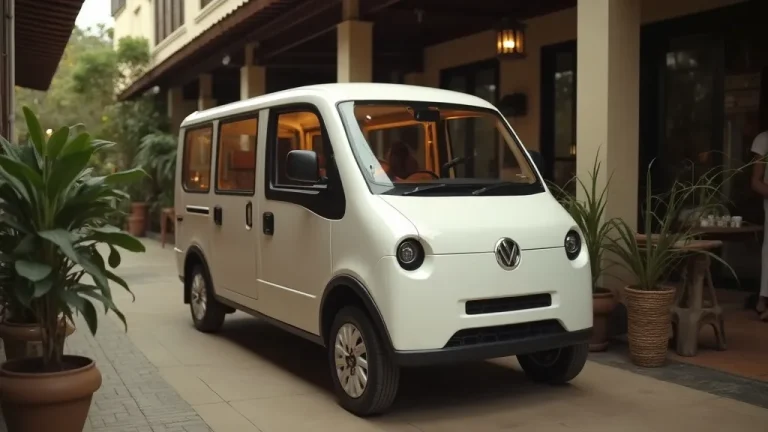
Bali Electric Car is the authoritative online resource for electric passenger vehicles in Bali, Indonesia.
01
Bali Electric Car is the authoritative online resource for electric passenger vehicles in Bali, Indonesia. We provide precise, current information on the market, policy, and infrastructure developments shaping electric mobility on the island, focusing on sustainable transport solutions for residents and visitors.
Bali is a significant, forward-thinking market for electric vehicles within Indonesia. The island’s commitment to sustainability, coupled with national strategic initiatives, positions it as a key region for EV adoption and innovation. Our site tracks these developments closely, offering factual analysis and data-driven insights.
02
Our Mission: Factual Authority on Bali’s EV Sector
Our mission is to serve as the definitive source for information on electric passenger cars in Bali. We are dedicated to delivering accurate, up-to-date content covering policy changes, infrastructure expansion, vehicle availability, and market trends. Our focus is on providing specific, verifiable details to assist consumers, businesses, and policymakers in navigating Bali’s evolving electric vehicle landscape.
03
Indonesia’s Strategic Push for Electric Vehicles
Indonesia is making substantial investments and setting ambitious targets to become a global leader in electric vehicle production and adoption. This national strategy has direct implications for Bali’s EV market:
- Battery Production: Indonesia aims to be the world’s third-largest producer of electric batteries by 2027, leveraging its significant nickel reserves. This ensures a robust supply chain for local EV manufacturing.
- EV Manufacturing: The national roadmap targets manufacturing 600,000 electric vehicles (including four-wheel cars) by 2030, with considerable ramp-up expected by 2027.
- Battery Capacity: State-owned battery manufacturers plan to produce up to 140 GWh of battery cells by 2030, with major capacity expansion preceding 2027.
- Local Content Requirement: To qualify for free import duty and luxury tax incentives, EV producers must achieve a 60% minimum local content by 2027.
- Investment: Key investors are committing USD 1.8 billion (27.1 trillion rupiah) by 2027 specifically for electric vehicle manufacturing in Indonesia.
- Urban Electrification: At least 50% of TransJakarta buses (approximately 5,000 of 10,047) are targeted to be electric by 2027, signalling a broader shift in public and private transport infrastructure that supports overall EV adoption.
04
Bali’s Specific Electric Vehicle Landscape
Bali plays a crucial role in Indonesia’s EV strategy, particularly as a sustainable tourism destination. The island is at the forefront of adopting electric mobility solutions, with several initiatives focused on passenger cars and supporting infrastructure.
Charging Infrastructure Development
The expansion of EV charging infrastructure is critical for the widespread adoption of electric cars in Bali. We monitor the progress of both public and private charging networks, including:
- Public Charging Stations (SPKLU): The government and PLN (Perusahaan Listrik Negara) are actively deploying SPKLU across the island.
- Private Sector Involvement: Hotels, resorts, and private businesses are increasingly installing charging facilities to cater to electric vehicle users.
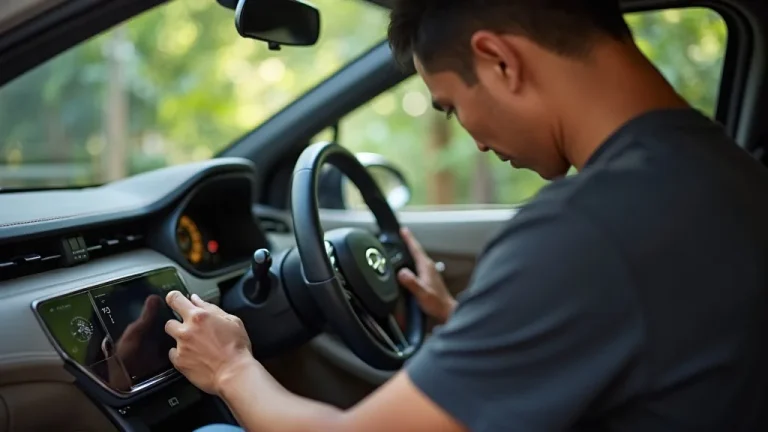
- Charging Standards: Information on charging connector types, speeds, and accessibility for various EV models available in Bali.
Current Market and Future Trends
The electric car market in Bali is experiencing significant growth. We provide analysis on:
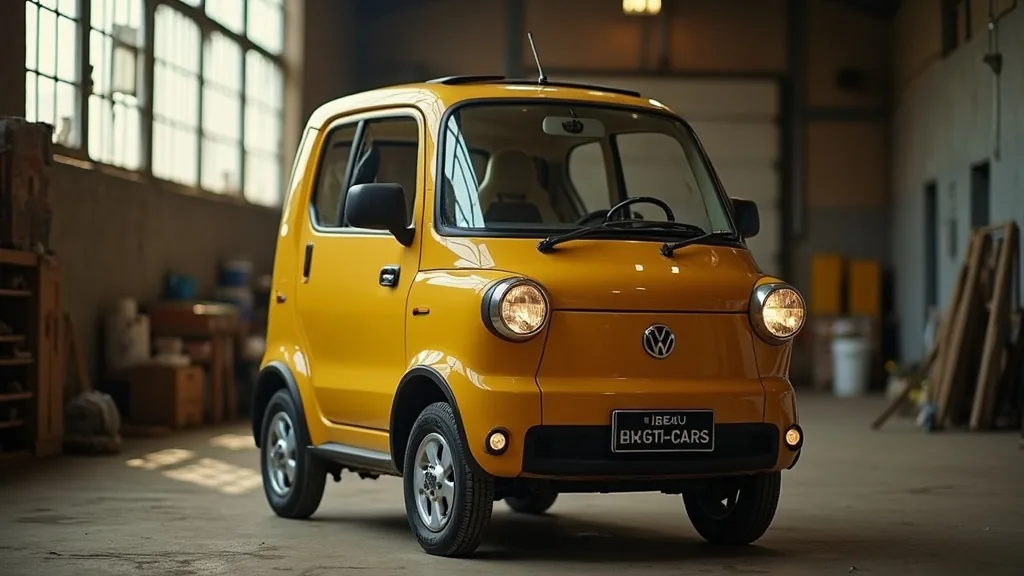
- Available Models: Details on the electric passenger car models officially sold and supported in Indonesia, and specifically available in Bali.
- Sales Trends: Data on electric vehicle sales and registrations on the island.
- Policy Impact: How government incentives, such as tax breaks and import duty exemptions, influence consumer adoption in Bali.
Pricing and Cost of Ownership
Understanding the financial aspects of electric vehicle ownership is essential. We provide information on:
- Vehicle Pricing: Indicative prices for electric passenger cars available in Bali, including various models and specifications.
- Running Costs: Comparative analysis of electricity costs versus petrol, maintenance schedules, and potential savings for EV owners in Bali.
- Incentives: Elaboration on local and national incentives that reduce the total cost of ownership for electric vehicles.
05
Bali’s Commitment to Sustainable Mobility
Bali’s commitment to sustainable tourism and environmental preservation makes it an ideal environment for electric vehicles. The island’s initiatives include:
- Green Tourism Focus: Promoting electric transport aligns directly with Bali’s vision for eco-tourism.
- Government Support: Local government regulations and campaigns encouraging EV adoption among residents and tourism operators.
- Pilot Projects: Various projects testing electric mobility solutions, including electric cars for rental fleets and public transport.
06
The Future of Electric Cars in Bali
The trajectory for electric vehicles in Bali is one of sustained expansion. With Indonesia’s national targets for battery and EV production, coupled with Bali’s specific focus on green initiatives, the island is set to become a leading example of electric mobility in Southeast Asia. We anticipate continued growth in vehicle availability, charging infrastructure, and public awareness, further cementing electric cars as a primary mode of transport on the island.
Bali Electric Car is your trusted resource for precise, up-to-date information on this exciting sector. We are committed to maintaining our position as the authoritative voice for electric passenger vehicles in Bali, providing clear, factual content that informs and educates our audience.