Bali Electric Car Charging Infrastructure: Ready for 2027’s EV Surge?
Indonesia is poised to become the world's third-largest producer of electric batteries by 2027, with a national target of 600,000 EV manufacturing by 2030.
01
Indonesia is poised to become the world’s third-largest producer of electric batteries by 2027, with a national target of 600,000 EV manufacturing by 2030. This manufacturing ambition, coupled with a 60% local content requirement for incentives, directly impacts the availability and cost of electric cars, and consequently, the demand for robust charging infrastructure, particularly in key tourist destinations like Bali.
As we approach 2027, the landscape for electric vehicles in Bali is undergoing a significant transformation. While Bali’s specific EV adoption targets have historically been modest, the broader national push for electric mobility, driven by substantial investment and an aggressive battery production roadmap, means that the island’s charging infrastructure must scale rapidly to support an influx of both private and fleet electric cars. The question is no longer if electric cars will become prevalent in Bali, but whether the charging network will keep pace with this inevitable growth.
02
The National Picture: Fueling Bali’s EV Future
Indonesia’s commitment to electric mobility is undeniable. By 2027, the nation aims to be a global powerhouse in electric battery production, leveraging its rich nickel reserves. This strategic move is not just about manufacturing; it’s about creating a self-sufficient EV ecosystem. The state-owned battery manufacturer plans to achieve a staggering 140 GWh of battery cells by 2030, with significant capacity expansions well underway before 2027. This means that a substantial supply of locally produced batteries will be available, driving down costs and increasing the accessibility of electric vehicles across the archipelago, including Bali.
Furthermore, an investment commitment of USD 1.8 billion (approximately 27.1 trillion rupiah) specifically targets making electric vehicles in Indonesia by 2027. This investment will undoubtedly accelerate the production of various EV models, some of which are destined for the Balinese market. The national roadmap’s target of manufacturing 600,000 electric vehicles by 2030 indicates a rapid ramp-up in production, with 2027 serving as a critical year for achieving economies of scale and wider market penetration.
03
Local Content and Affordability: Impact on Charging Demand
A crucial factor influencing the uptake of electric cars in Bali is affordability. By 2027, EV producers must achieve a 60% minimum local content to qualify for free import duty and luxury tax incentives. This policy is designed to foster a domestic EV industry and, crucially, to make electric cars more competitive on price. Projections indicate a significant reduction in electric car prices across all segments by 2027, making them increasingly attractive to Balinese residents and tourism operators alike.
- Economy Segment: Expected to drop to IDR 160-200 million.
- Mid-Range Segment: Anticipated to be IDR 280-350 million.
- Premium Segment: Forecasted at IDR 500-750 million.
These price points suggest that electric cars will become a viable option for a broader demographic, from private owners to businesses in the hospitality sector. As more affordable electric cars become available, the demand for accessible and reliable charging infrastructure will naturally intensify. Tourism operators, for instance, offering bali luxury car rental services, are increasingly integrating EVs into their fleets, necessitating on-site charging solutions and a robust public network for their clients.
04
Bali’s Specific Charging Challenge for 2027
While national targets are impressive, Bali’s specific EV targets for 2026 were relatively modest at 140 units. This suggests that 2027 growth will be driven more by market adoption—fuelled by price reductions and increased availability—rather than strict government quotas. This organic growth presents a unique challenge for charging infrastructure development. Unlike a top-down mandate, market-driven adoption requires a more agile and responsive expansion of charging points.
The urban electrification targets, such as 50% of TransJakarta buses being electric by 2027, signal a broader shift in public transport infrastructure that will inevitably spill over into private vehicle charging. While not directly in Bali, these developments demonstrate a national commitment to EV infrastructure that will likely inform strategies for key tourist areas.
05
Types of Charging Stations Required
For Bali to adequately support the predicted surge in electric vehicles by 2027, a diverse range of charging solutions will be essential:
Public Fast Charging (DC)
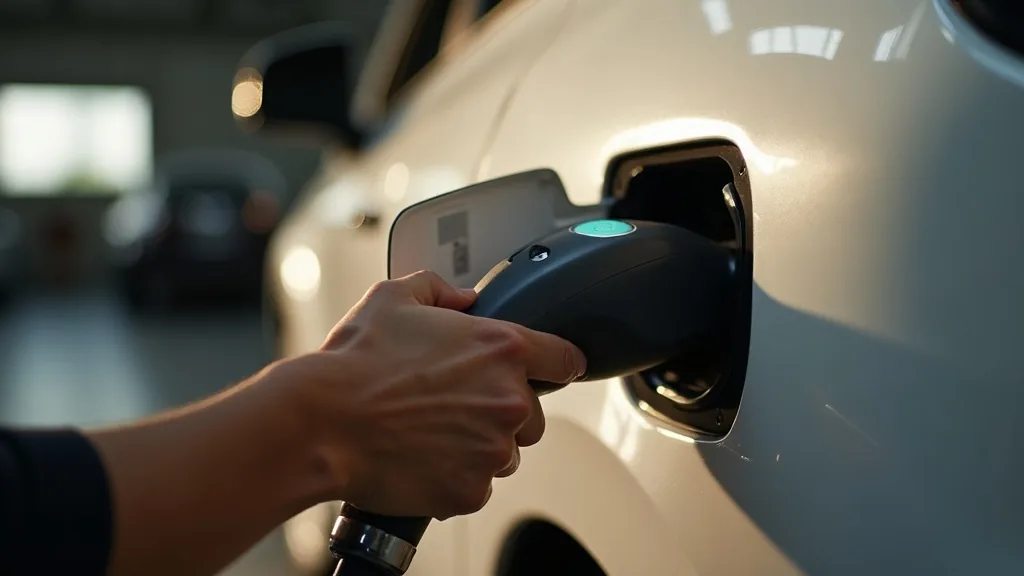
As electric cars become more commonplace, especially for tourists exploring the island, fast charging stations strategically located along main roads, at popular attractions, and near major hotels will be crucial. These DC chargers can provide a significant charge in a short period, catering to drivers needing to quickly top up before continuing their journeys. The expansion of these facilities will alleviate range anxiety and encourage longer electric vehicle trips across the island.
Public AC Charging (Level 2)
More prevalent AC charging stations, found in shopping centres, car parks, and public spaces, will serve as a convenient option for drivers who can leave their vehicles charging for a few hours while engaged in other activities. These are less expensive to install than DC fast chargers and can significantly increase the density of the charging network.
Private and Semi-Public Charging
Hotels, villas, and rental car companies will increasingly need to install their own charging infrastructure. For tourists renting electric cars, the availability of charging points at their accommodation will be a significant factor. Similarly, businesses transitioning their fleets to electric vehicles will require dedicated charging facilities at their depots. This private investment will form a critical backbone for Bali’s charging ecosystem.
06
The Road Ahead: Investment and Infrastructure
The success of Bali’s electric car transition by 2027 hinges on proactive investment in charging infrastructure. While the national government is focused on battery and vehicle production, regional and private sector collaboration will be vital for deploying charging points effectively. This includes:
- Incentivising businesses to install charging stations.
- Streamlining permits for charging infrastructure development.
- Ensuring a stable and sufficient electricity supply to support increased demand.
- Developing user-friendly apps for locating and paying for charging services.
The table below outlines the projected charging infrastructure needs, considering the rapid growth and varied requirements of EV owners and operators in Bali by 2027.
| Charging Type | Target Locations (2027) | Estimated Units Needed (Bali, 2027) |
|---|---|---|
| DC Fast Chargers (>50kW) | Major roads, tourist attractions, inter-city routes | 50-75 |
| AC Level 2 Chargers (7-22kW) | Hotels, restaurants, shopping centres, public parking | 500-700 |
| Private Home/Workplace Chargers | Residential, corporate offices, rental depots | 1,500+ (installed privately) |
Achieving these targets will require a concerted effort from government bodies, utility providers, and private enterprises. The momentum from national EV manufacturing and battery production provides a strong foundation, but Bali’s unique tourist-centric economy demands a tailored approach to charging infrastructure that prioritises convenience and accessibility for both residents and visitors.
Will Bali’s electricity grid be able to handle the increased demand from electric car charging by 2027?
Bali’s electricity grid will face increased demand, but significant upgrades are anticipated as part of Indonesia’s national energy transition. The government and state utility PLN are investing in grid modernisation and renewable energy integration, aiming for a more robust and sustainable supply. While localised upgrades may be necessary in areas with high EV density, the overall national strategy supports the capacity needed for electric mobility.
What incentives are available for businesses in Bali to install electric car charging stations by 2027?
As of 2027, several incentives are in place for businesses. These include potential tax breaks for capital expenditure on charging infrastructure, subsidised electricity rates for charging stations, and simplified permit processes. Specific regional incentives may also be offered by the Balinese provincial government to accelerate the deployment of charging points, particularly for tourism-related businesses.

Leave a Reply