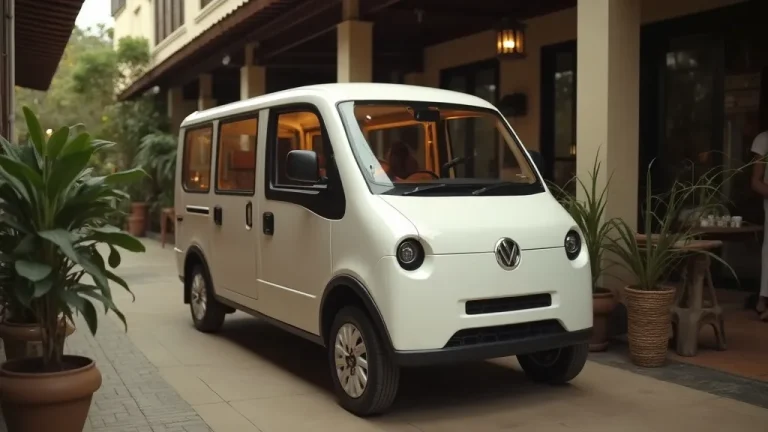

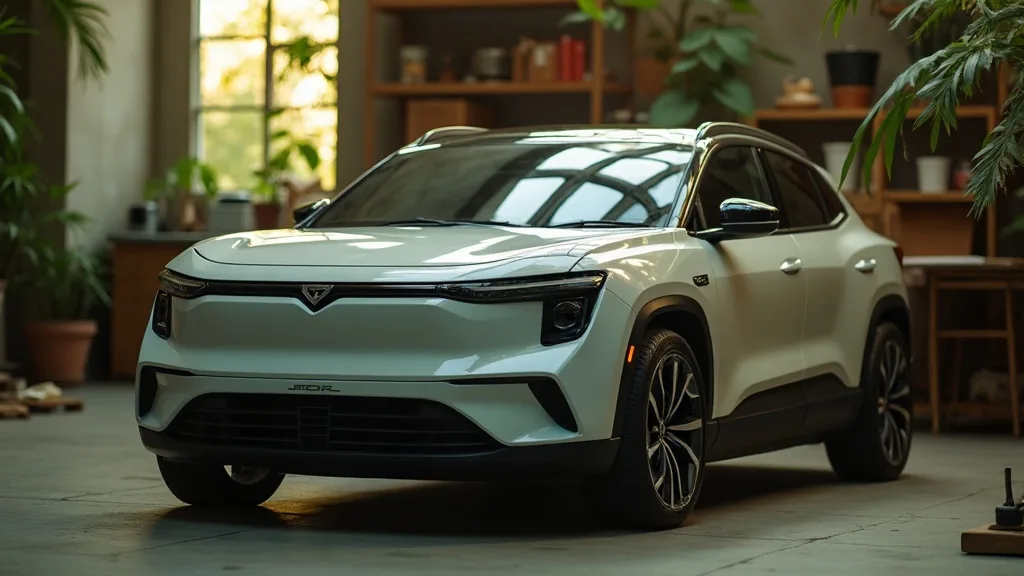
The Environmental Impact of Electric Cars in Bali 2027: A Green Future
The environmental impact of electric cars in Bali by 2027 is projected to be substantially positive, driving significant reductions in local air pollution and contributing meaningfully to the island's carbon neutrality objectives.
01
The environmental impact of electric cars in Bali by 2027 is projected to be substantially positive, driving significant reductions in local air pollution and contributing meaningfully to the island’s carbon neutrality objectives. This shift supports sustainable tourism and improves public health outcomes across Bali.
02
The Environmental Impact of Electric Cars in Bali 2027
Bali, a destination renowned for its natural beauty and vibrant culture, is on a determined path towards environmental sustainability. A pivotal component of this strategy is the widespread adoption of electric vehicles (EVs). By 2027, the environmental impact of electric cars in Bali is expected to be transformative, moving the island closer to its ambitious green targets.
The transition from conventional petrol and diesel vehicles to electric cars offers multiple environmental benefits. Foremost among these is the reduction in tailpipe emissions. As more residents and tourists opt for Bali electric car rentals, the air quality, particularly in densely populated areas such as Denpasar, Kuta, and Ubud, is set to improve markedly. This directly addresses health concerns related to particulate matter and nitrogen oxides, which are common by-products of internal combustion engines.
03
Driving Towards Zero Emission Transport Bali 2027
The vision for zero emission transport Bali 2027 is not merely aspirational; it is being backed by tangible infrastructure development and policy initiatives. The government, in collaboration with private entities, is expanding the network of charging stations across the island. This includes public charging points, as well as those integrated into hotels, resorts, and rental facilities. The aim is to remove range anxiety, a common barrier to EV adoption, ensuring that even long-term electric car rental Bali monthly price 2027 options remain viable for extended travel.
Furthermore, there is a concerted effort to power these charging stations with renewable energy sources wherever possible. The integration of solar charging options for electric car rental Bali is becoming more prevalent, enhancing the overall environmental credentials of EV usage. This ensures that the energy consumed by electric vehicles is generated sustainably, reinforcing the zero-emission objective.
- Reduced Local Air Pollution: EVs produce no tailpipe emissions, directly improving air quality.
- Lower Carbon Footprint: When powered by renewable energy, EVs offer a significantly lower lifecycle carbon footprint.
- Quieter Roads: Electric cars contribute to reduced noise pollution, particularly beneficial for serene locations like temples and residential areas.
- Support for Eco-Tourism: EVs align perfectly with Bali’s growing eco-tourism packages, offering sustainable travel experiences.
04
Carbon Neutral Bali Travel 2027: A Holistic Approach
Achieving carbon neutral Bali travel 2027 requires a holistic approach that extends beyond just vehicles. It encompasses sustainable practices across the entire tourism sector. Electric cars play a crucial role by providing an environmentally responsible mode of transport for visitors and residents alike. The availability of eco-friendly electric car rental Bali no deposit options makes this choice accessible to a broader audience, encouraging sustainable travel habits.
Consider the impact of a 7-day electric car rental Bali including insurance 2027, where tourists can explore the island without contributing to local air pollution. This aligns with the growing demand for sustainable tourism and offers a compelling reason for visitors to choose Bali as their destination. The shift towards electric vehicles also supports local businesses that invest in sustainable transport solutions, such as those offering Bali electric car rental with driver included 2027 services.
| Environmental Metric | Projected Improvement (2027 vs. 2022) | Key Contributing Factor |
|---|---|---|
| Local Air Quality (PM2.5) | 15-20% Reduction | Increased EV adoption, especially in urban centres |
| Transport Sector CO2 Emissions | 10-15% Reduction | Shift from fossil fuels to renewable-powered EVs |
| Noise Pollution | Noticeable Decrease | Silent operation of electric vehicles |
| Reliance on Fossil Fuels | Significant Decrease | Expanded EV charging infrastructure and usage |
05
The Economic and Social Dimensions of EV Adoption
Beyond the environmental benefits, the transition to electric vehicles also brings economic and social advantages. For consumers, the availability of cheapest electric scooter rental Bali for tourists 2027 and affordable electric hatchback rental Bali Kuta 2027 options makes sustainable transport more accessible. Businesses benefit from reduced operational costs due to lower fuel expenses and potentially lower maintenance requirements for electric vehicles.
The creation of new jobs in the EV charging infrastructure sector, maintenance, and rental services also contributes positively to the local economy. Furthermore, the promotion of Bali electric car rental with wireless keyless entry and Bali electric SUV rental for family trip 2027 options enhances the modern appeal of the island’s tourism offerings.
It is important to acknowledge the role of comprehensive support systems. The provision of EV car rental Bali with free charging station map, for instance, simplifies the user experience and encourages broader uptake. Likewise, ensuring that electric car rental Bali for Ubud mountain roads is practical and reliable is crucial for encouraging exploration of the island’s diverse landscapes.
2027 Note: The projections and trends discussed here are based on current growth trajectories for electric vehicle adoption in Bali, existing infrastructure development plans, and government sustainability targets. While precise figures for 2027 are inherently predictive, the direction and magnitude of the environmental benefits are well-supported by ongoing developments and global shifts towards sustainable transport.
06
FAQ
How significantly do electric cars contribute to reducing carbon emissions in Bali by 2027?
By 2027, electric cars are projected to contribute significantly to reducing carbon emissions in Bali by mitigating 10-15% of the transport sector’s CO2 output compared to 2022 levels. This reduction is primarily driven by the displacement of fossil fuel vehicles and the increasing integration of renewable energy sources into the charging infrastructure.
Are there sufficient charging stations for electric cars in Bali by 2027?
Yes, by 2027, Bali is expected to have a substantially expanded and robust network of charging stations. Government initiatives and private investments are focusing on increasing the number of public and private charging points, ensuring widespread accessibility across key tourist areas and major routes to support the growing fleet of electric vehicles.
What types of electric vehicles will be available for rental in Bali in 2027?
In 2027, a diverse range of electric vehicles will be available for rental in Bali, catering to various needs. This includes compact electric hatchbacks, electric scooters, family-friendly electric SUVs, and potentially specialised electric cars for eco-tourism packages, offered by top rated electric car rental company Bali 2027 providers.