Bali Electric Car Adoption Rate 2027: A Vision for Sustainable Transport
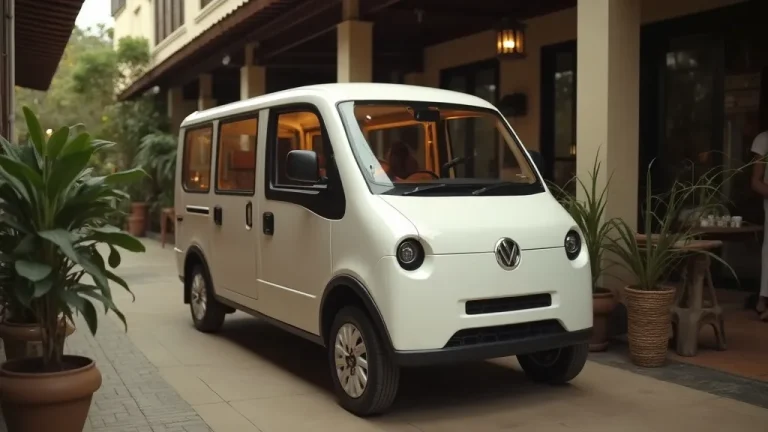
By 2027, Bali is projected to see a substantial increase in electric car adoption, driven by robust bali government EV incentives 2027, growing tourist demand for sustainable transport, and significant investments in charging infrastructure.
01
By 2027, Bali is projected to see a substantial increase in electric car adoption, driven by robust bali government EV incentives 2027, growing tourist demand for sustainable transport, and significant investments in charging infrastructure. This shift is integral to the island’s broader bali green mobility initiatives 2027, aiming for a cleaner, more eco-conscious tourism experience.
02
Bali Electric Car Adoption Rate 2027: Progress Towards Sustainability
Bali is on a determined path towards sustainable transport, with 2027 marking a pivotal year for electric car adoption. The island’s commitment to environmental preservation, coupled with pragmatic economic considerations, is accelerating the transition from conventional petrol vehicles to electric alternatives. This shift is not merely aspirational; it is supported by a comprehensive strategy involving government incentives, infrastructure development, and increasing public awareness.
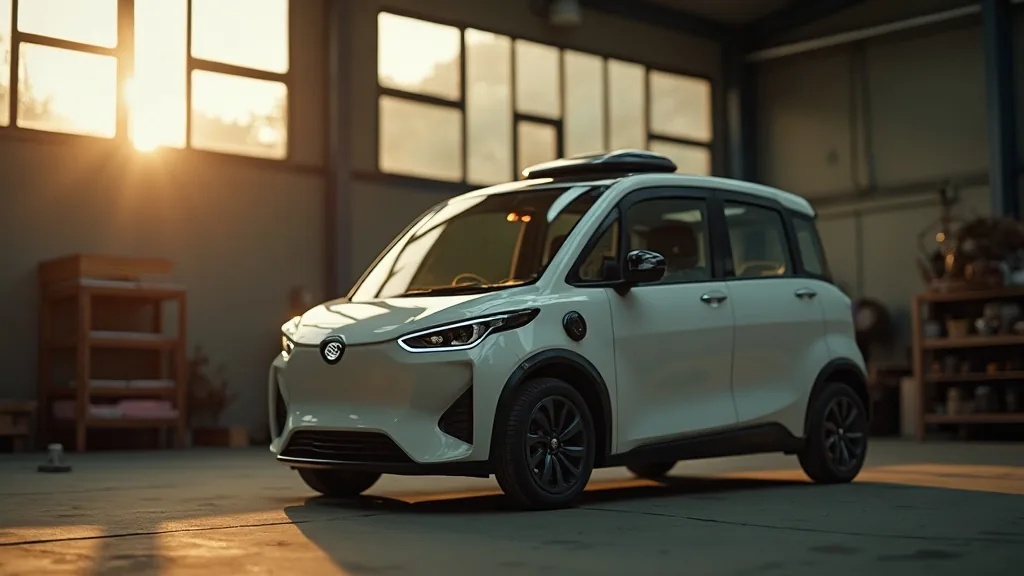
The push for electric vehicle (EV) integration aligns perfectly with Bali’s identity as a premier eco-tourism destination. Visitors and residents alike are increasingly prioritising environmentally friendly options, and electric cars offer a tangible way to reduce carbon footprints while exploring the island’s beauty. By 2027, we anticipate a noticeable transformation in the vehicle landscape, with a higher prevalence of silent, emission-free electric cars on Bali’s roads.
03
Government Initiatives and Infrastructure Development by 2027
Central to the increased adoption rate are the bali government EV incentives 2027. These initiatives are designed to make electric cars more accessible and appealing to a wider demographic. They include various subsidies for EV purchases, reduced import duties, and favourable tax structures for electric vehicle owners. Furthermore, there are plans for dedicated green parking zones and priority lanes for EVs in certain areas, encouraging their use.
Alongside financial incentives, infrastructure development is progressing rapidly. The availability of charging stations is a critical factor for EV uptake, and by 2027, Bali aims to have a robust network of public and private charging points across key tourist hubs and residential areas. This includes fast-charging stations along major routes, slow chargers at hotels and villas, and even provisions for electric car rental with solar charging option, providing convenience and range confidence for users.
04
The Role of Tourism in Driving EV Adoption
Tourism plays an indispensable role in Bali’s economy, and the industry is a significant driver of electric car adoption. Tourists are increasingly seeking eco-friendly travel options, and electric car rentals are perfectly positioned to meet this demand. By 2027, we expect to see a surge in demand for services such as ‘bali electric car rental with driver included 2027’ and ‘bali electric suv rental for family trip 2027’, reflecting a preference for convenient, sustainable transport.
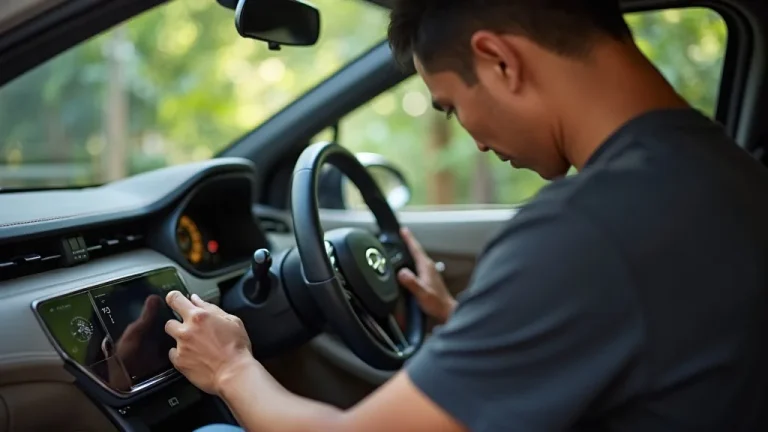
Rental companies are expanding their electric fleets, offering a diverse range of vehicles from compact hatchbacks to larger SUVs. Specific offerings like ‘cheapest electric scooter rental bali for tourists 2027’ cater to budget-conscious travellers, while ‘electric car rental bali for silent temple tours’ highlights the unique benefits of EVs for cultural exploration. The integration of technology, such as ‘bali electric car rental with wireless keyless entry’, enhances the user experience, making rentals more straightforward and modern.
05
Projected Demand and Market Trends for 2027
The market for electric car rentals in Bali is predicted to mature significantly by 2027. Long-term rentals, such as ‘long-term electric car rental bali monthly price 2027’, will become more common for expatriates and extended stays. Tourists will increasingly look for value-added services, including ‘ev car rental bali with free charging station map’ and ‘electric car rental bali with free airport pickup’.
Demand will also be shaped by specific use cases. ‘Electric car rental bali for ubud mountain roads’ indicates a need for vehicles capable of handling varied terrain, while ‘affordable electric hatchback rental bali kuta 2027’ targets urban and coastal exploration. The emphasis on sustainability will lead to increased searches for ‘eco-friendly electric car rental bali no deposit’ and ‘electric car rental bali for eco-tourism packages’, underscoring the shift towards responsible travel.
- Increased availability of diverse EV models, from scooters to SUVs.
- Expansion of charging infrastructure across the island.
- Stronger bali government EV incentives 2027 for both consumers and businesses.
- Greater tourist awareness and preference for sustainable transport options.
- Development of new rental packages catering to eco-tourism.
06
The Impact of Bali Green Mobility Initiatives 2027
The bali green mobility initiatives 2027 are comprehensive, extending beyond just electric cars to encompass public transport and other forms of sustainable travel. These initiatives aim to reduce overall emissions, alleviate traffic congestion, and enhance the quality of life for both residents and visitors. The widespread adoption of electric cars is a cornerstone of this broader strategy, contributing significantly to cleaner air and a quieter environment.
By embracing electric transport, Bali is positioning itself as a leader in sustainable tourism in Southeast Asia. The commitment to these green initiatives will not only attract environmentally conscious travellers but also provide a healthier, more pleasant living environment for its inhabitants. The shift is already underway, and by 2027, the positive impacts will be increasingly evident.
2027 Note:
The projections for Bali electric car adoption by 2027 are based on current growth trajectories, planned infrastructure developments, and anticipated government policies. While market dynamics can shift, the strong commitment from local authorities and the growing global emphasis on sustainability suggest these trends are robust. Continued investment and public engagement will be crucial to realising these ambitious goals.
For those planning their Bali trips, exploring electric car rental Canggu Seminyak Kuta 2027 options will be increasingly straightforward and convenient, offering a modern way to experience the island.
07
FAQ
What is the projected growth of electric car adoption in Bali by 2027?
By 2027, Bali is projected to experience significant growth in electric car adoption, with estimates suggesting a substantial increase in EV registrations and rentals, driven by government incentives, expanding charging infrastructure, and rising eco-tourism demand.
How are bali government EV incentives 2027 supporting this growth?
The bali government EV incentives 2027 include various measures such as purchase subsidies, reduced import duties, tax benefits for EV owners, and plans for preferential treatment like dedicated parking and lanes, all designed to make electric cars more affordable and attractive.
What are the key components of bali green mobility initiatives 2027?
The bali green mobility initiatives 2027 encompass a broad strategy including widespread electric car adoption, expansion of public EV charging networks, promotion of electric scooters and public transport, and policies aimed at reducing overall carbon emissions and traffic congestion across the island.